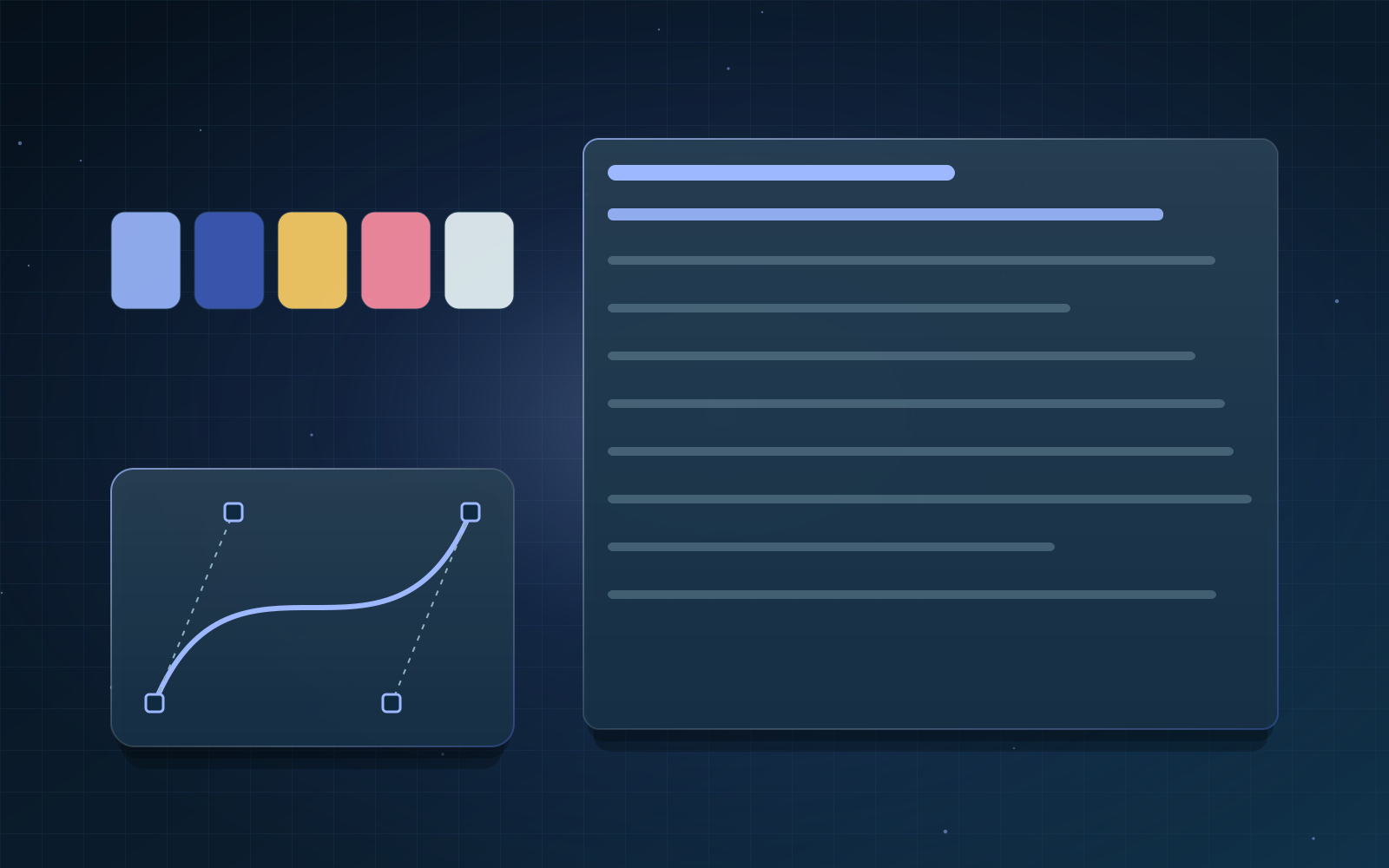
Digital branding defines how a business looks, sounds and behaves across websites, social media, apps and advertising. Learn what a brand system includes and how to keep creative work consistent as you grow.
Key facts - Definition: How a brand is expressed across digital channels - Core parts: Strategy, visual identity, verbal identity, guidelines - Visual identity: Logo, colour, typography, imagery, motion - Success signals: Recognition, consistency, trust, preference - GreenTech service: Digital Branding & Creatives | /services/digital-branding-creatives
Digital branding is the strategy and creative system that shapes how a business is perceived online. It covers the brand's positioning and personality, its visual identity (logo, colours, typography, imagery) and its verbal identity (name, tagline, voice), applied consistently across every digital touchpoint.
Overview
People judge businesses quickly, often from a website, a social profile or an ad. A coherent brand makes a company recognisable and trustworthy, and it makes marketing more efficient because every asset reinforces the same idea.
The parts of a brand system
Strategy
Who the brand serves, what it promises, how it differs from competitors and what it values. Strategy guides every creative decision.
Visual identity
The logo and its variations, colour palette, type families, iconography, photography or illustration style, layout principles and motion behaviour.
Verbal identity
Brand name, tagline, key messages and voice: the consistent personality of the brand's writing.
Guidelines
A practical guide showing correct and incorrect usage, with ready-to-use templates for social posts, presentations and ads.
Designing for screens
- Create logo versions that stay clear at very small sizes, such as favicons and app icons.
- Choose colour combinations that meet accessibility contrast requirements.
- Select typefaces licensed for web and app use and with good on-screen legibility.
- Define motion principles so animation feels consistent across products.
- Build design tokens so the identity can be applied in code.
Keeping creative consistent
Brands drift when many people create assets without shared tools. Central templates, a shared asset library, simple approval steps and a design system for digital products keep quality high as output grows.
Frequently asked questions
What is the difference between a brand and a logo?
A logo is one symbol. A brand is the whole perception people have of a business, shaped by its promise, behaviour, visuals and words.
When should a business rebrand?
Consider a rebrand when the current identity no longer reflects what the company offers, confuses customers, fails on digital channels or follows a merger or major change in strategy.
Do brand colours need to be accessible?
Yes. Text and interface colours must have enough contrast to be readable. A good palette includes accessible combinations for both light and dark backgrounds.