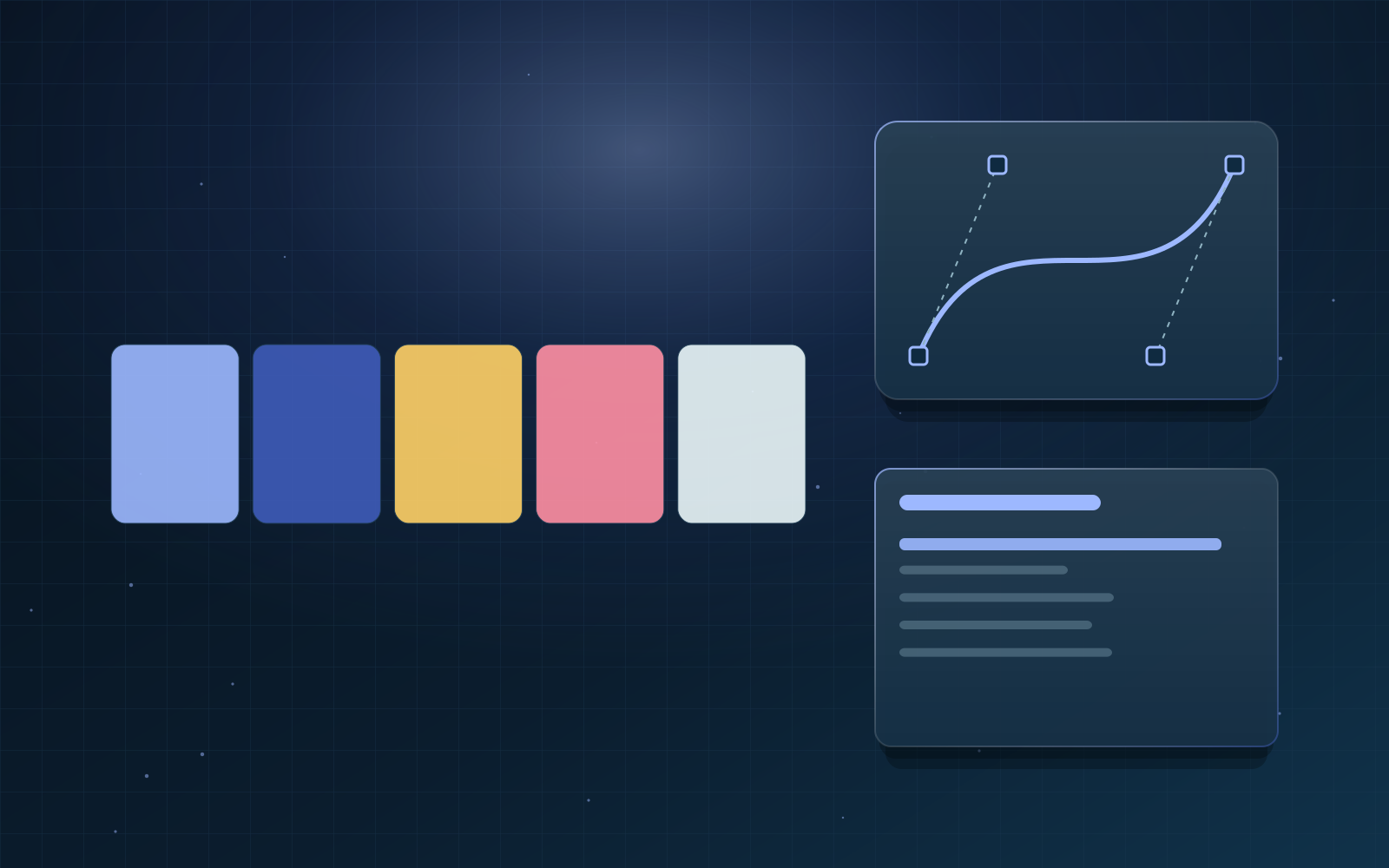
Tokens, type, and component rules that keep campaigns and product UI aligned as teams and vendors grow.
Key facts - Topic: Practical, scalable brand systems - Core parts: Identity rules, design tokens, templates, governance - Common failure: Guidelines that nobody can apply quickly - Related service: Digital Branding & Creatives | /services/digital-branding-creatives
A brand system is a practical toolkit that lets many people create consistent, on-brand work. It goes beyond a logo and a PDF of guidelines by providing ready-made templates, coded design tokens and clear rules for everyday decisions.
Why guidelines alone fail
Long guideline documents are rarely read under deadline pressure. When templates are missing, people improvise and the brand drifts. A system makes the right choice the easiest choice.
What a durable brand system includes
- Core identity: logo versions, colour palette, typography and imagery style.
- Design tokens: colours, type sizes and spacing as named values used in code.
- Templates: social posts, presentations, ads, documents and email.
- Component library: interface elements for websites and apps.
- Governance: who approves new assets and how the system is updated.
Test it on real work
Before finalising, apply the system to real tasks: a product launch, a hiring post, a sales deck. Gaps appear quickly and can be fixed before rollout.
Frequently asked questions
Who should own the brand system?
One person or small team should own it, gather feedback and publish updates, so changes happen deliberately rather than by accident.
How often should a brand system be updated?
Review it at least yearly and whenever new channels or products appear.